The rise of the urban harvest
West End residents are actively transforming compact apartment balconies, shared rooftops, and narrow residential courtyards into highly productive food sources. Urban gardening provides a practical and rewarding solution for inner city dwellers who want to grow fresh organic produce directly at home. High density residential living no longer prevents determined locals from cultivating a sustainable and edible landscape right outside their doors.
Learning from local experts
The Jane Street Community Garden serves as the primary educational foundation for sustainable living and urban agriculture in the area. Established by Micah Projects, the 500 square metre communal site successfully grows roughly 200 distinct varieties of edible plants throughout the calendar year. Volunteer coordinators and landscape design experts guide amateur gardeners through the essential intricacies of soil health, organic pest management, and seasonal crop rotation.
Smart solutions for tight spaces
Successful small scale gardening requires strategic landscape design, careful planning, and considerable spatial resourcefulness. Innovative residents utilise vertical wall planters, suspended hanging baskets, and custom raised garden beds to completely maximise their limited square footage. Balcony gardeners typically favour high yield, compact varieties of cherry tomatoes, climbing beans, and diverse culinary herbs that naturally thrive in shallow container environments.
Water management in the city
Efficient hydration remains absolutely critical for elevated container gardens exposed to intense city heat and strong drying winds. Savvy balcony gardeners frequently install automated, gravity fed drip irrigation systems to deliver precise amounts of water directly to plant roots. Integrating moisture retaining organic matter and coconut coir into potting mixes ensures that delicate plants survive long days of direct sunlight.
Nurturing the neighbourhood ecosystem
Productive urban agriculture relies heavily on maintaining healthy soil profiles and supporting highly active local pollinators. Many apartment residents diligently recycle their daily kitchen scraps through local Brisbane City Council composting stations to create nutrient rich organic fertiliser for their pots. Native stingless bee colonies, particularly the local Tetragonula hockingsi species, perform crucial pollination work across residential balconies and public green spaces.
The economics of home growing
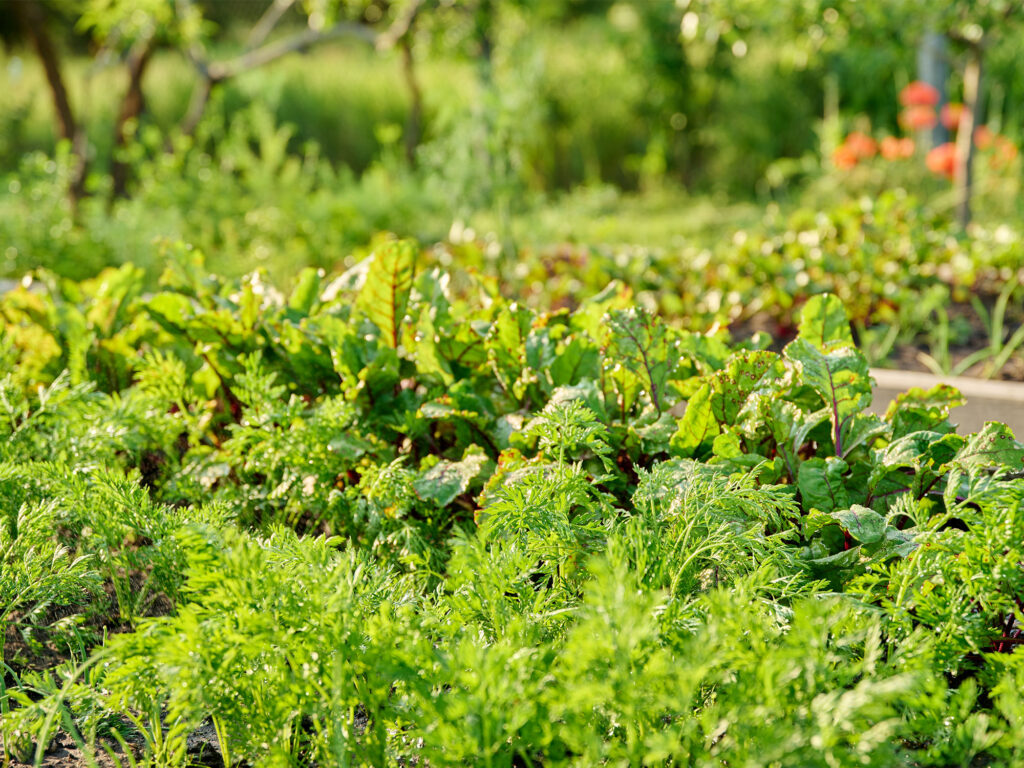
Growing fresh produce at home offers noticeable financial relief for weekly household grocery budgets over the long term. A well planned courtyard setup can consistently yield expensive supermarket staples like fresh gourmet salad greens, aromatic culinary herbs, and crisp spring onions. Initial setup costs for quality potting soil and durable ceramic planters are quickly offset by the continuous, reliable harvest of premium organic vegetables.
A sustainable daily practice
Cultivating food at home significantly reduces reliance on commercial supermarket supply chains and immediately minimises single use daily packaging waste. The quiet, daily practice of watering and harvesting fosters a much deeper understanding of natural seasonal cycles and long term environmental stewardship. West End continues to demonstrate that a highly productive agricultural life remains entirely possible within a heavily populated and modern urban landscape.