The art of timing
Living in a university suburb comes with a specific set of daily rhythms. In St Lucia, the morning commute is heavily dictated by the academic timetable. Thousands of passengers descend upon the main campus ferry terminal every weekday. For local professionals, the secret to a peaceful journey lies just down the road. Guyatt Park offers a quieter, more measured alternative to the primary university stop.
Catching the ferry from this suburban green space requires a basic understanding of passenger flow. The morning peak brings heavy waves of young academics rushing toward the campus lecture halls. By choosing to board at Guyatt Park instead, city-bound commuters move against the primary tide of foot traffic. They bypass the immediate crush and secure an outdoor seat before the vessel fills up downstream.
Understanding the local rhythm
The mood on the water shifts noticeably as the months pass. According to long-time ferry master Barry Calder in The Australian, the river commute clearly reflects the emotional highs and lows of the academic calendar. Eager faces dominate the early weeks, while the final assessment periods bring a distinctly quieter atmosphere to the morning run. Observing these subtle changes is simply part of daily life on the St Lucia peninsula.
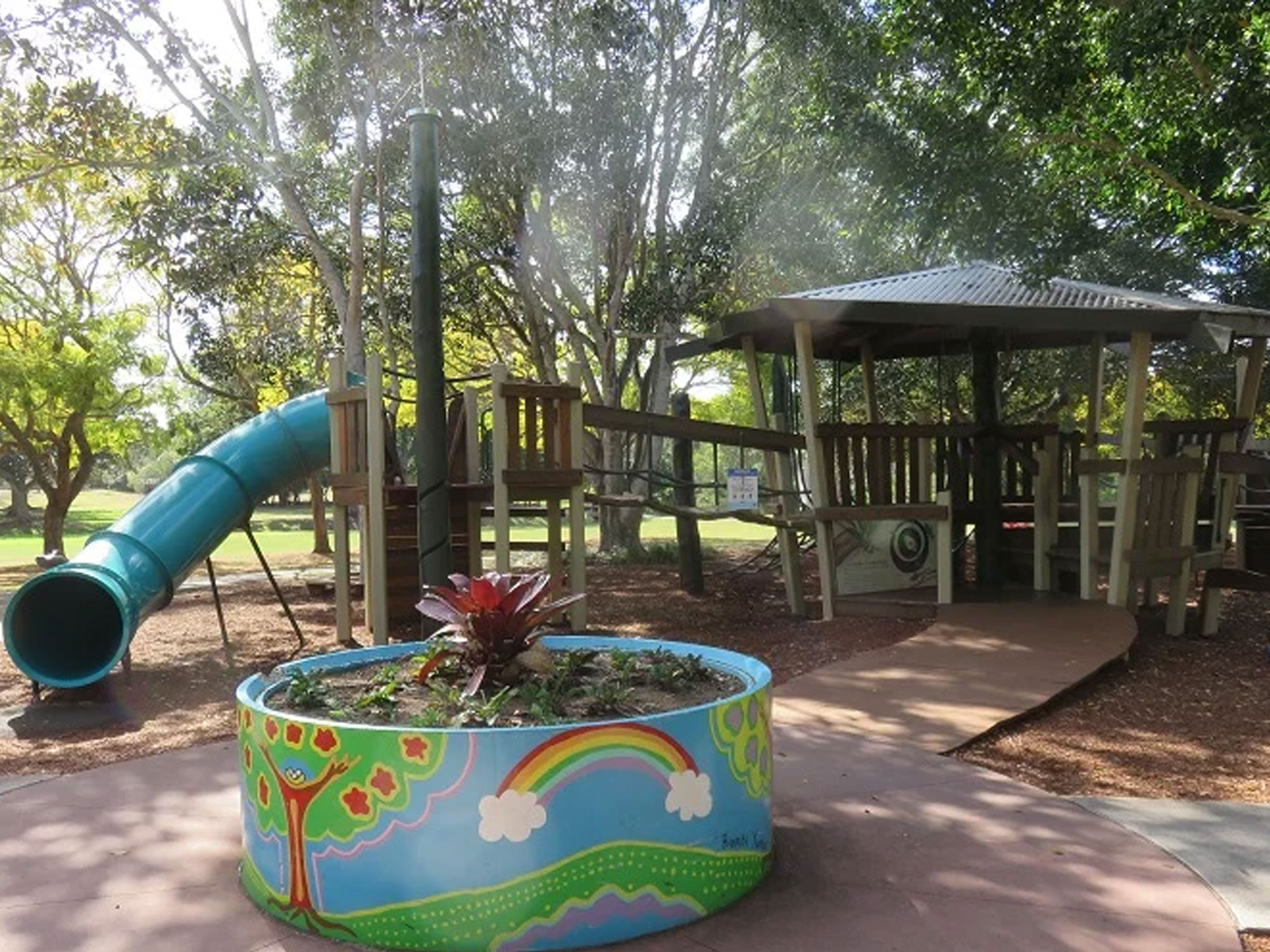
Community leaders place a strong emphasis on preserving the balance between transit efficiency and suburban peace. Deborah Scott of the St Lucia Community Association told Westender that infrastructure must serve genuine community needs without destroying public spaces. The layout at Guyatt Park achieves this exact equilibrium. It provides a functional boarding point without overwhelming the adjacent riverside parkland. Families utilise the playground, fitness enthusiasts jog the paths, and professionals slip down to the water seamlessly.
A considered approach to public transit
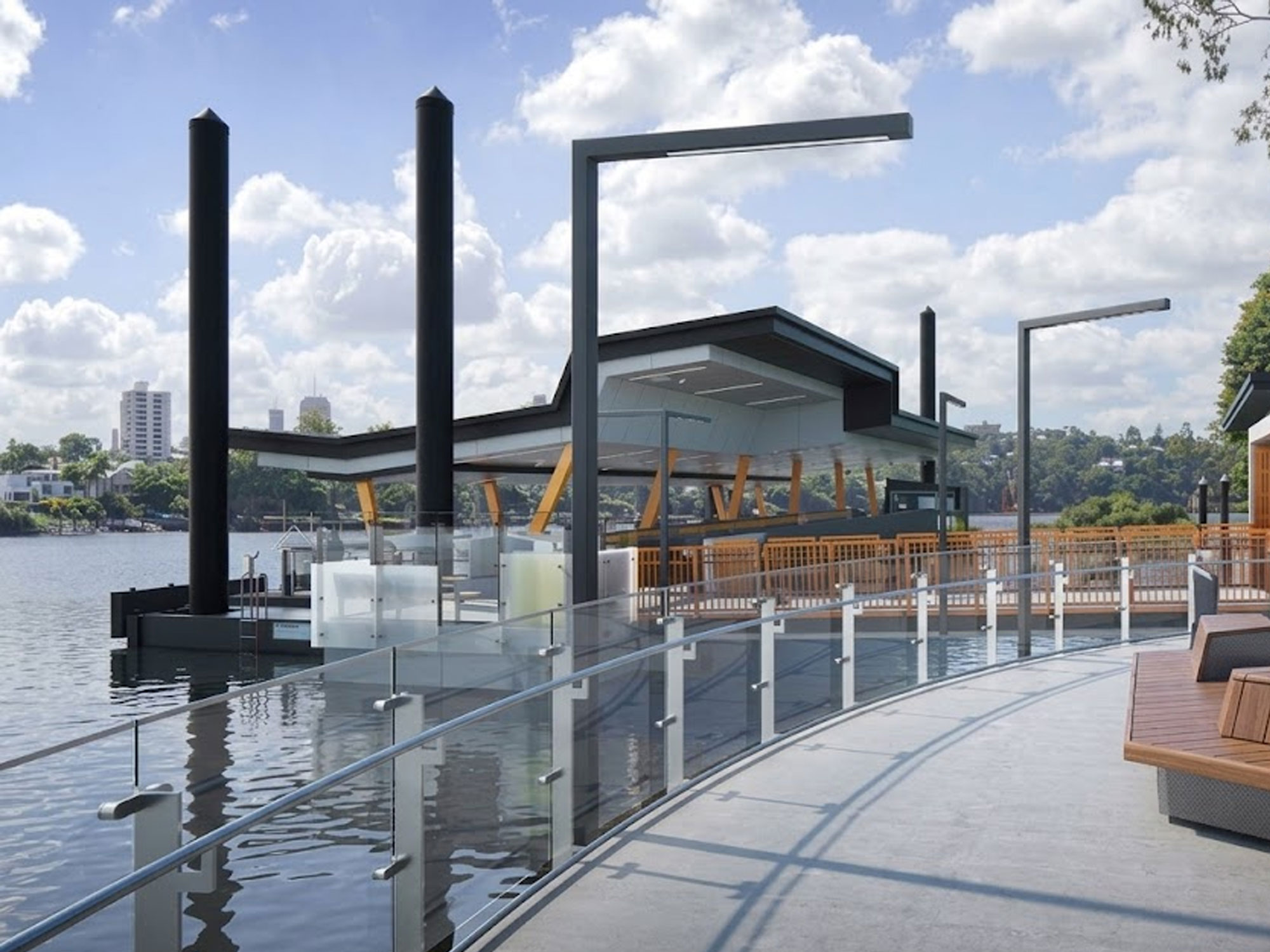
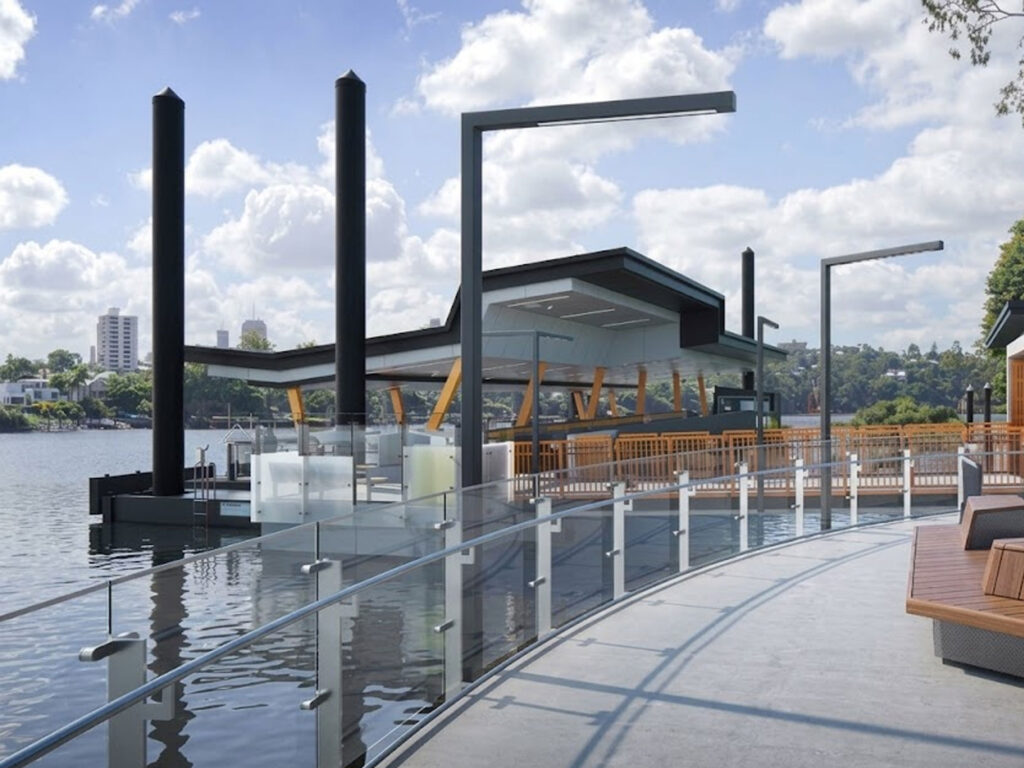
Transit facilities have evolved significantly to accommodate these varied daily uses. As noted by planners at the City Projects Office in Your Neighbourhood, terminal upgrades specifically focus on integrating public transport across the city while addressing local accessibility. The inclusion of a dual-berth pontoon and gently graded walkways makes the boarding process highly efficient. Passengers wait comfortably under weather protection while looking out over the water.
The journey into the business district takes roughly 30 minutes. A standard adult fare costs under six dollars, presenting a cost-effective travel method for regular workers. Gliding past the manicured riverbanks offers a valuable mental buffer between home life and professional obligations. Beating the student rush is not just about avoiding a crowded walkway. It is about consciously choosing a calmer, more intentional start to the morning.