Restoring the natural riverbank
St. Lucia occupies a prominent stretch of the Brisbane River. The suburban landscape presents a unique set of gardening conditions, ranging from heavy alluvial clay near the water to steep slopes higher up the ridges. Designing a successful garden along the river requires an understanding of the local microclimate and a commitment to sustainable horticultural practices.
The Esplanade bushcare group is one of four dedicated organisations focused on restoring remnant riverine vegetation along the St. Lucia riverfront. Their continued work demonstrates that planting endemic species is the most effective way to stabilise the riverbank and support local biodiversity. For residential properties, adopting a similar approach yields resilient outdoor spaces that can withstand the wet and dry seasons of Brisbane.
Selecting the appropriate flora forms the foundation of a water-wise garden. Native grasses like lomandra tolerate both extended dry spells and the occasional heavy rains that define the subtropical climate. Gardeners frequently incorporate kangaroo paw and grevillea into their designs.
These hardy shrubs naturally adapt to local soil conditions and attract native birdlife without requiring excessive irrigation. For river environments, planting deep-rooted native trees prevents soil erosion along the fragile banks.
Selecting resilient native flora
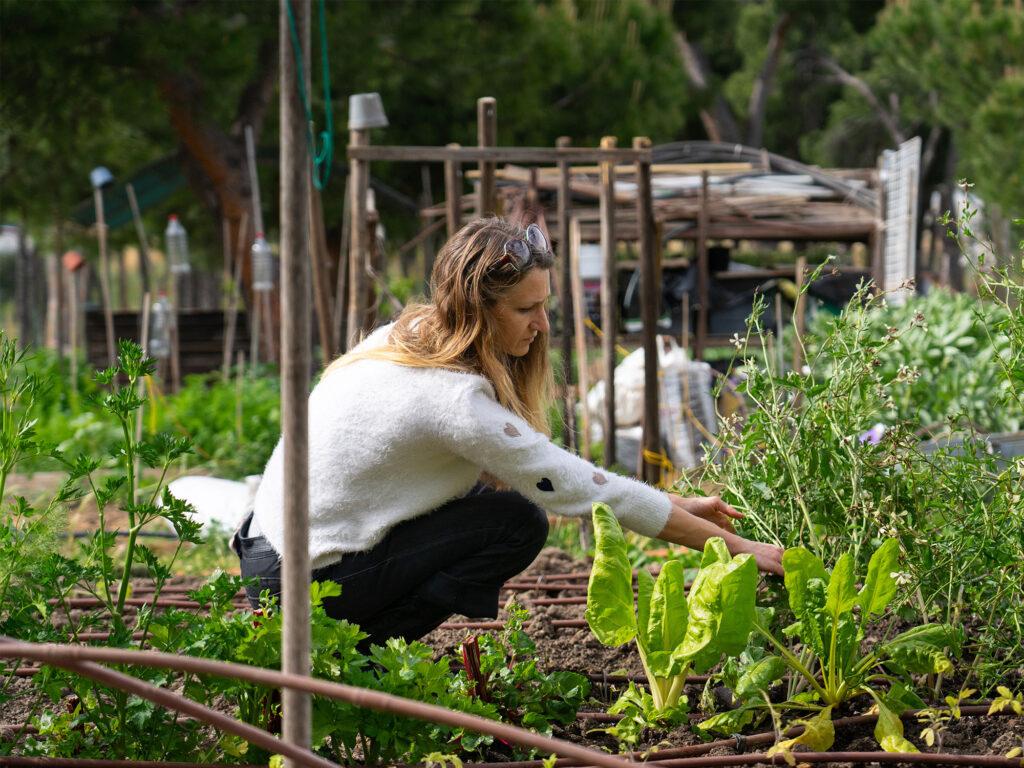
The St. Lucia Community Garden serves as a highly practical example of native plant integration. Volunteers have successfully reintroduced indigenous edible species to the local landscape, including native ginger, midgen berry, and finger lime. Incorporating these useful plants into private gardens adds both ecological value and structural interest to residential boundaries.
Water conservation remains a primary consideration for property owners. Effective soil management begins with addressing the heavy clay that underlies much of the riverfront. Horticultural experts advise opening the clay with a cultivator before planting, avoiding the temptation to backfill with imported soil.
Managing soil and irrigation
Applying heavy organic mulch improves water retention during the dry winter months and slowly enriches the earth. Efficient irrigation is equally important for maintaining the landscape. Installing drip irrigation networks delivers moisture directly to the root zone, significantly reducing surface evaporation.
Using specific planting zones helps manage resources effectively. Placing water-demanding plants in natural depressions captures runoff, while drought-resistant species thrive on sun-drenched slopes. This strategic placement greatly reduces the need for supplemental watering.
A well-planned riverfront garden respects the natural contours and ecological history of the land. Utilising drought-tolerant Australian natives and employing smart watering techniques ensures a highly sustainable green space. The resulting landscape blends smoothly with the Brisbane River environment, providing enduring beauty and vital habitat.