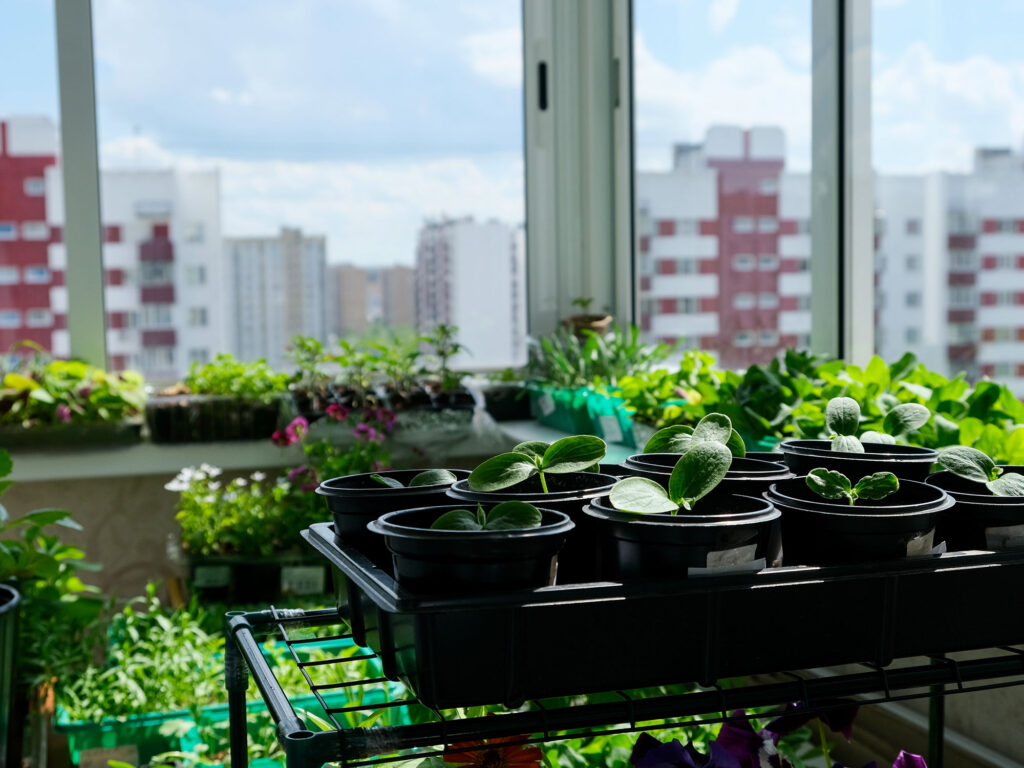
As density increases, residents seek creative ways to connect with nature. In Brisbane, the inner-city suburb of West End offers a blueprint for sustainable living. Balconies and small courtyards provide enough space to cultivate productive areas. Sustainable gardening focuses on resource efficiency, organic cultivation, and careful plant selection. By shifting away from purely decorative layouts, residents create functional landscapes that yield fresh produce.
Learning from community spaces
Much of the local inspiration stems from the Jane Street Community Garden. The Micah Projects organisation supports this not-for-profit initiative, operating it as a practical learning environment. The site features 200 varieties of edible plants, medicinal herbs, and native species. It serves as a visual guide for sustainable practices, demonstrating how ecosystems flourish in an urban setting. Observers study these methods to apply within their own constrained living quarters.
Cultivating healthy soil
Soil health remains the foundation of any successful garden. West End residents frequently utilise composting to transform kitchen waste into valuable fertiliser. The community composting facility at the Jane Street site encourages locals to divert food scraps from general waste. For those without backyard space, a compact worm farm serves as an effective alternative. These systems require minimal room and generate nutrient-dense castings for potted plants.
Maximising square footage
Maximising square footage requires structural creativity. Wicking beds provide a highly efficient solution for balcony gardens. These planters store moisture in a reservoir at the base, drawing liquid upwards as the topsoil dries. This method reduces water consumption and ensures plants survive hot afternoons. Vertical gardening allows residents to grow climbing beans, native vines, and trailing herbs on bare walls, turning vertical space into a productive canopy.
Selecting the right plants
Plant selection plays a critical role in establishing an eco-friendly setup. Urban gardeners achieve the best results by choosing species that suit the local climate. Culinary herbs like rosemary, basil, and thyme thrive in containers of just 10 litres. Incorporating native flora attracts essential local pollinators. Educational programmes, such as the native bee initiative at the Jane Street Community Garden, demonstrate how small ecological adjustments support environmental networks.
Conserving water resources
Water conservation remains a priority for sustainable gardening in West End. Collecting rainwater in compact barrels maintains moisture levels without straining municipal supplies. A basic setup might cost 50 dollars but provides lasting benefits. Applying organic mulch over exposed soil prevents rapid evaporation and regulates delicate root temperatures.
Creating a green sanctuary requires patience and a willingness to adapt. By adopting simple organic practices, residents turn concrete balconies into productive environments. These small-scale efforts collectively benefit the environment and foster a deeper appreciation for urban ecology.