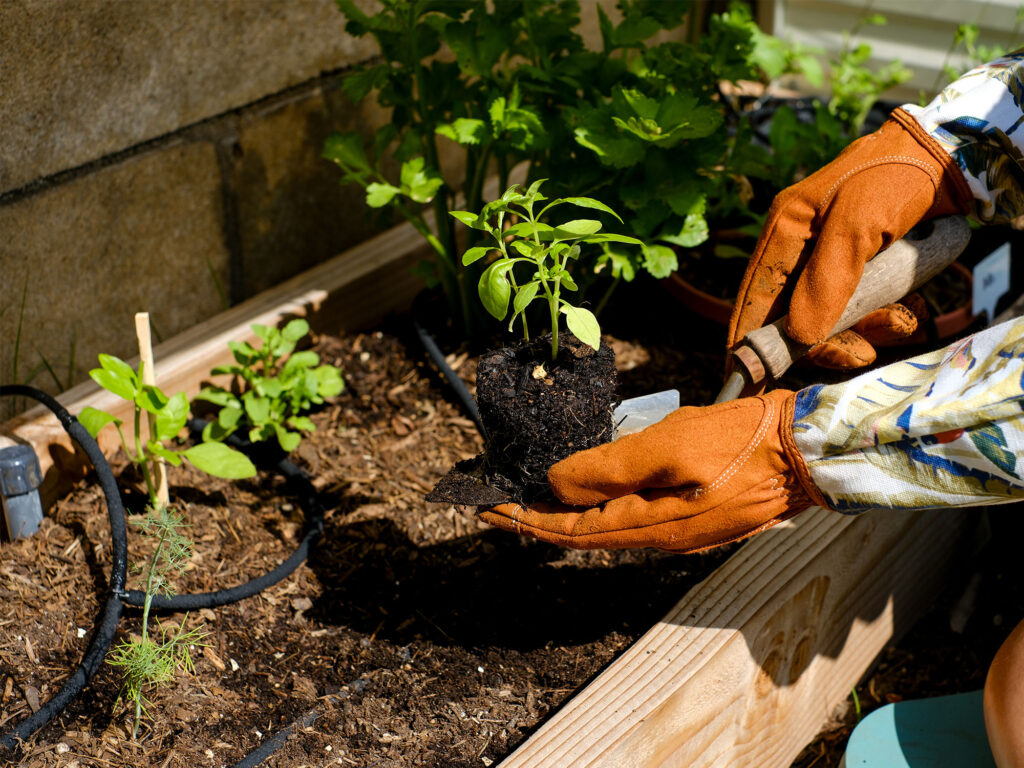
Amid the medium-density apartment complexes and busy arterial roads of West End, a 500 square metre urban oasis flourishes. The Jane Street Community Garden provides an essential space for local residents to cultivate organic food and connect over sustainable practices. At the centre of this agricultural initiative is Thomas Carroll. As the garden coordinator, he brings a unique philosophy of environmental stewardship and community design to the inner-city landscape.
A shift in landscape
As detailed by Jan Bowman for Westender, Thomas Carroll began his career studying landscape architecture. The traditional landscaping industry left him searching for a deeper connection to the natural world. This desire for change prompted a move to Norway, where the climate stood in stark contrast to his subtropical upbringing. During his time overseas, he encountered communities practising small-scale farming and intentional edible gardening.
These Nordic experiences inspired him to complete a comprehensive permaculture course. The education provided a practical framework for sustainable agriculture. Upon returning to Queensland, he shifted his professional focus entirely toward edible gardening. When the former coordinator stepped down, he took on the leadership role at the Jane Street site, which operates under the local not-for-profit organisation Micah Projects.
Roots in resilience
The garden has faced considerable environmental and logistical hurdles. Municipal excavation work for new drainage pipes caused significant physical disruption to the planting arrangements. The site narrowly avoided major flood waters shortly after, and the community subsequently lost a primary storage shed to a fire.
Despite these formidable setbacks, Thomas Carroll maintained a steady vision for the property. He guided the volunteer community through a period of extensive rebuilding. Compensation for the infrastructure disruption funded essential site upgrades, while residents sponsored new garden beds. The revitalised space now features modern raised planting areas, a new greenhouse, and a comprehensive composting station.
Cultivating shared knowledge
Today, the garden supports more than 200 varieties of edible plants, ranging from pumpkin vines to holy basil. Volunteers gather twice a week to maintain the grounds, share horticultural knowledge, and harvest seasonal produce. Under the guidance of Thomas Carroll, the space operates as a practical outdoor classroom. As noted by Native Bee Hives, participants learn hands-on skills ranging from soil health management to native pollinator conservation.
The project demonstrates how marginal urban land can transform into a highly productive asset. By facilitating a space where residents can rent individual plots or participate in casual working bees, Thomas Carroll bridges the gap between high-density living and agricultural awareness. His professional evolution highlights a growing movement toward hyper-local food production in modern Australian cities.